If you are wondering whether Winter Park feels like a quiet suburb, a cultural hub, or a polished place close to Orlando, the answer is a little bit of all three. For many buyers, that mix is exactly the draw because you get a city with character, strong outdoor access, and a walkable core that feels distinct from much of Greater Orlando. This guide will help you understand the lifestyle, housing, and day-to-day rhythm of living in Winter Park so you can decide if it fits what you want next. Let’s dive in.
Winter Park lifestyle at a glance
Winter Park is an incorporated city in Orange County just north of Orlando with an estimated 2025 population of 30,444. It is widely known for stately trees, brick-lined streets, lakes, museums, parks, and its well-known downtown around Park Avenue. That combination gives the city a more established and visually distinctive feel than many newer suburban areas.
From a housing and ownership perspective, Winter Park leans strongly toward owner-occupants. The owner-occupied housing unit rate is 66.2%, the median household income is $105,724, and the median value of owner-occupied homes is $731,400. In simple terms, that points to a higher-cost market where many residents are putting down long-term roots.
Commutes can also be manageable for people working in the broader Orlando area. The median commute time is 22 minutes, and the city highlights options like walking, bicycling, SunRail, and LYNX bus access. If convenience matters to you, that connected feel is part of Winter Park’s appeal.
Park Avenue shapes daily life
For many people, Park Avenue is the heart of Winter Park. It is a walkable downtown corridor known for boutiques, restaurants, museums, historic buildings, and a steady flow of local activity. If you want a place where errands, dining, and weekend plans can happen in the same area, this part of town sets the tone.
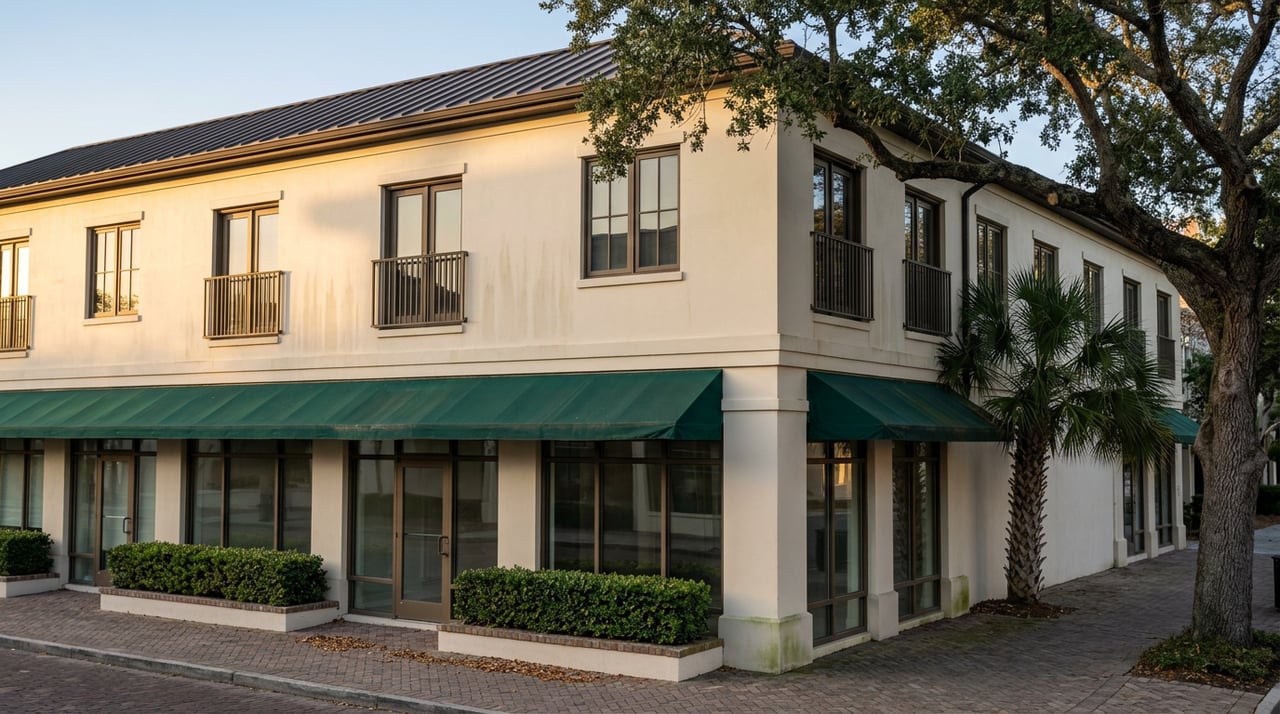
The downtown historic district runs along Park Avenue, and several buildings in the commercial area date to before 1950. That history shows up in the streetscape and helps give the area a sense of place that feels more layered than a typical retail district. You are not just near shops and restaurants here. You are near one of the city’s defining public spaces.
Central Park sits directly on Park Avenue and plays a major role in local events throughout the year. On Saturday mornings, the Winter Park Farmers’ Market operates in Central Park West Meadow. The city describes it as Central Florida’s number one produce and plant market, which gives you a good sense of how central it is to weekly community life.
If you want more shopping and dining beyond Park Avenue, Winter Park Village adds another option. It is an outdoor center with stores, restaurants, and a movie theater, giving residents another practical place to spend an evening or knock out a few errands.
Arts and culture are part of the routine
One thing that stands out about Winter Park is how strong its cultural identity is for a city of its size. This is not the kind of place where arts and history are occasional extras. They are part of the regular rhythm of living here.
The city highlights four museums: the Charles Hosmer Morse Museum of American Art, the Rollins Museum of Art, the Albin Polasek Museum & Sculpture Gardens, and the Winter Park History Museum. Each offers a different experience, from decorative arts and rotating exhibitions to sculpture gardens and local history.
The Morse Museum is especially notable because it houses the world’s most comprehensive collection of Louis Comfort Tiffany works. Rollins Museum of Art offers rotating exhibitions and free admission. The Polasek Museum combines a historic home, galleries, and sculpture gardens on Lake Osceola, while the History Museum offers free admission and walking-tour resources.
Rollins College also adds to the city’s identity. Founded in 1885 on the banks of Lake Virginia, it contributes music and theatre programming that helps keep the local cultural calendar active. The Bach Festival Society of Winter Park, founded in 1935, adds another long-running institution and is identified as Central Florida’s oldest performing arts organization.
You also have the Winter Park Playhouse, which offers year-round professional musical theatre just blocks from Park Avenue. For a city this size, that is a lot of activity packed into a relatively small area. If you like living somewhere with built-in options for a date night, weekend outing, or casual cultural stop, Winter Park delivers.
Outdoor living is a major perk
Winter Park is not only about its downtown. Outdoor space is a big part of daily life, and the city says it has 75 parks. That number alone helps explain why the area feels green, open, and well-suited to people who want regular access to nature.
Central Park is the most visible gathering space, but it is only one part of the picture. Mead Botanical Garden offers 47.6 acres with an amphitheater, butterfly garden, boardwalk, and bike trail. It is also listed on the Great Florida Birding Trail, which adds to its appeal for walkers, birders, and anyone who wants a quieter outdoor setting.
Kraft Azalea Garden gives you a lakefront garden setting on Lake Maitland, while Lake Baldwin Park is the city’s designated dog-friendly park with off-leash hours. Ward Park and Shady Park add to the range of everyday recreational spaces. Depending on where you live in Winter Park, you may find that park access becomes part of your regular routine rather than an occasional destination.
The lakes are another major part of the lifestyle. The city’s chain of lakes supports boating, skiing, canoeing, kayaking, and fishing, with a city boat sticker or day pass required for motorboats. If you picture weekends on the water or simply enjoy living near scenic lake corridors, Winter Park offers that in a meaningful way.
The Scenic Boat Tour is also a popular way to experience the area. It is a one-hour open-air cruise through the chain of lakes that highlights homes and local history. Even if you are still getting to know the city, it gives you a quick sense of how much the lakes shape the local atmosphere.
Winter Park homes have real variety
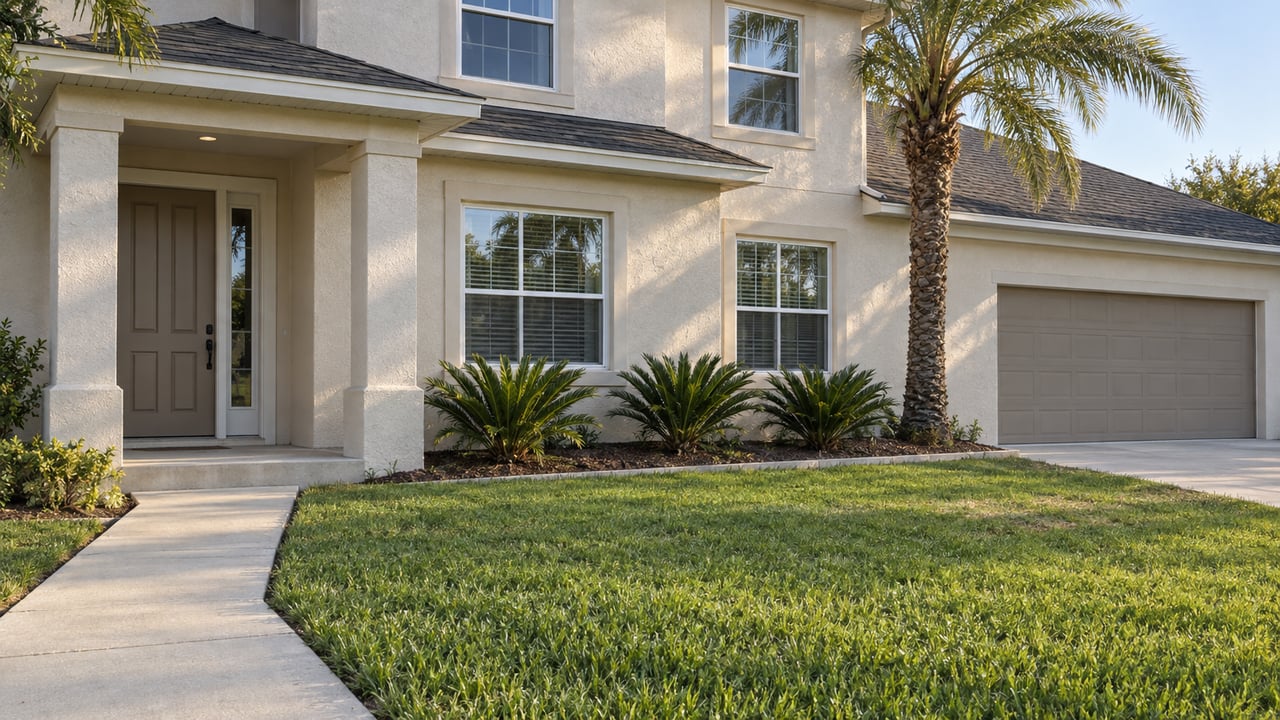
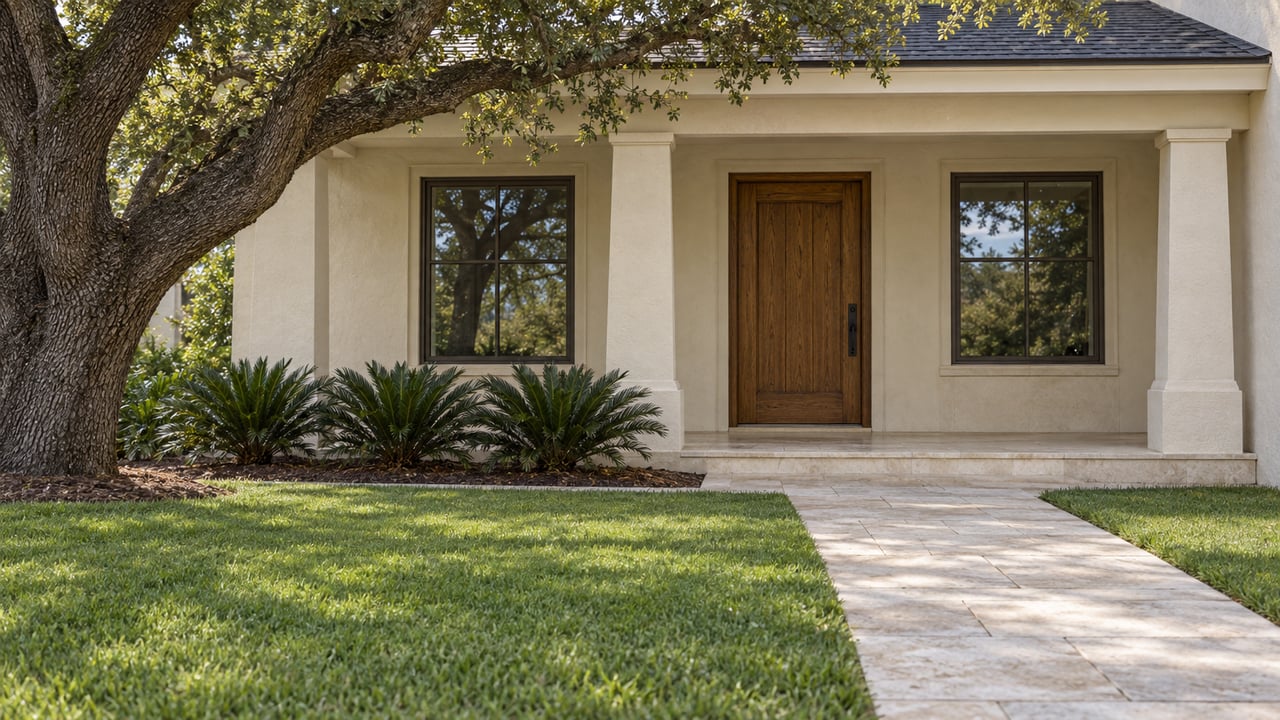
Winter Park does not offer one single housing style. In fact, one of the city’s biggest strengths is the range of homes you can find, from modest cottages to larger estate properties and lakefront residences. That variety gives buyers more lifestyle choices, but it also means the market can feel nuanced.
According to the city’s historic preservation information, Winter Park includes both imposing estates and modest bungalow neighborhoods. You will also find grove houses and winter cottages dating to the late 1800s, along with neighborhoods shaped by the Florida Land Boom of the 1920s. This creates a housing stock with more architectural personality than many newer suburban markets.
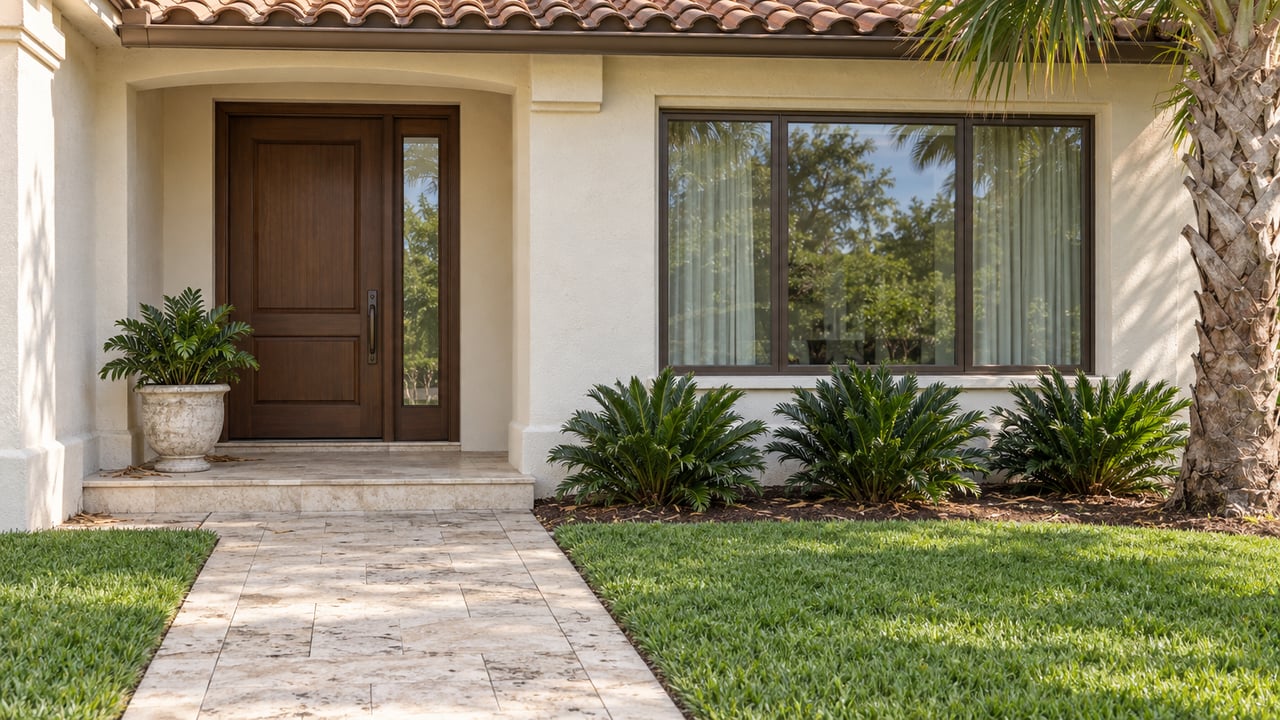
The city’s architectural survey identifies Bungalow, Colonial Revival, and Spanish Colonial or Mediterranean Revival as especially prevalent styles from 1904 to 1930. Strong examples appear in areas such as College Place, Virginia Heights, Golfview Terrace, Interlachen Avenue, and along lakefront corridors. For buyers who care about design, charm, and streetscape, that can be a major plus.
The flip side is that pricing, condition, lot size, and renovation needs can vary a lot from one home to the next. In Winter Park, you are often comparing homes with very different histories and features rather than choosing between similar floor plans in a newer subdivision. That is one reason local guidance matters here.
The city feels established and connected
Winter Park tends to attract buyers who want more than square footage alone. Many are looking for a setting with identity, mature landscaping, walkability in key areas, and a stronger sense of place. If that sounds like what you value, Winter Park often stands out quickly.
Its historic preservation efforts also play a role in how the city looks and feels over time. The city has recorded more than 700 historic structures, and preservation rules are designed to keep new work compatible with the existing streetscape in designated districts. For homeowners, that can help protect the visual continuity that makes many parts of Winter Park so appealing.
Transportation options add another layer of convenience. The city emphasizes walking, biking, SunRail, and LYNX access, especially in and around the core. That does not mean every part of Winter Park functions the same way, but it does help explain why the city often feels more connected than car-only suburban areas.
Who Winter Park may suit best
Winter Park can be a strong fit if you want a residential setting with charm, culture, and a polished everyday feel. It may especially appeal to you if your priorities include:
- A walkable downtown with shops, dining, and regular events
- Parks, gardens, and easy access to outdoor recreation
- Lakes and water-oriented lifestyle features
- Distinctive homes with architectural character
- An established market with a strong owner-occupant base
- Proximity to Orlando with a separate identity of its own
It may require more planning if you are working within a tighter budget or want a more uniform, newer-home environment. With a median owner-occupied home value of $731,400, Winter Park is a higher-cost market by local standards. That said, the range of housing types means your options may be broader than many buyers first expect.
What to know before you move
If you are considering Winter Park, it helps to think beyond the headline appeal. The real question is not just whether the city is attractive. It is whether its mix of historic character, outdoor space, cultural activity, and housing costs matches how you want to live.
Some buyers fall in love with the Park Avenue lifestyle and want to be close to the core. Others care more about lot size, lake access, or a specific architectural style. Because Winter Park has so much variety, your experience can look very different depending on which part of the city and which type of home you choose.
That is why a smart home search here starts with lifestyle goals first. Once you know whether you want walkability, historic charm, lower-maintenance living, or more privacy, it becomes much easier to narrow the right homes and areas.
If you are thinking about buying or selling in Winter Park, working with a team that understands Central Florida’s neighborhood differences can help you move with more clarity and confidence. When you are ready for local guidance, reach out to The Baldor Group | EXP Realty Orlando.
FAQs
What is Winter Park, Florida known for?
- Winter Park is known for Park Avenue, brick-lined streets, lakes, parks, museums, historic character, and an established residential feel just north of Orlando.
What is daily life like in Winter Park, Florida?
- Daily life in Winter Park often centers around a mix of walkable downtown activity, outdoor recreation, cultural events, and neighborhood living with strong access to parks and lakes.
What types of homes are common in Winter Park, Florida?
- Winter Park includes a mix of historic cottages, bungalow neighborhoods, estate homes, and lakefront properties, with notable architectural styles such as Bungalow, Colonial Revival, and Spanish Colonial or Mediterranean Revival.
Is Winter Park, Florida a walkable area?
- Winter Park is especially walkable around Park Avenue and the downtown core, and the city also emphasizes bicycling, SunRail, and LYNX bus access.
Are there parks and lakes in Winter Park, Florida?
- Yes, Winter Park has 75 parks and a chain of lakes that support activities such as boating, canoeing, kayaking, fishing, and other outdoor recreation.